
what is the difference between regular glass and tempered glass
How to Turn Off a Water Valve A Step-by-Step Guide Turning off a water valve is a crucial skill for homeowners and renters alike. Whether you are addressing a plumbing issue, conducting repairs, or preparing for a winter season, knowing how to properly shut off your water supply can save you from costly damages and ensure a safe living environment. In this guide, we will walk you through the steps to turn off your water valve effectively. Step 1 Locate the Water Valve The first step in turning off your water supply is to locate the main water valve. This valve is typically found near where the water line enters your home. Common locations include - Basement or Crawl Space If your home has a basement, the main water valve is often located there. - Outside In some houses, the water valve can be found on an exterior wall or in an underground valve box close to the street. - Near the Water Heater Sometimes, the main valve is situated near the hot water heater. Tip If you have trouble locating the valve, follow the main water line from the municipal connection into your home. Step 2 Identify the Type of Valve Water valves come in different types, and it's essential to know which type you are dealing with to proceed correctly. The most common types include - Gate Valve This type features a round handle that you turn clockwise to close the valve. - Ball Valve Look for a lever or handle. For a ball valve, you typically turn the lever 90 degrees to shut it off. - Compression Valve This valve has a round handle that you will turn clockwise to shut off the water. Step 3 Turn Off the Valve Now that you have located your valve and identified its type, it’s time to turn it off . - For Gate Valves Turn the handle clockwise until it can’t turn anymore. This may take several rotations. - For Ball Valves Turn the lever perpendicular to the pipe to shut off the valve. - For Compression Valves Turn the handle clockwise until firmly closed. how to turn off water valve Step 4 Test the Valve After turning off the valve, it is wise to check and ensure that the water supply has been effectively cut off. To do this 1. Turn on a faucet in your home, ideally one on the same level as the valve, and observe if water is still running. 2. If there is no water flow, congratulations! You have successfully turned off the water supply. Step 5 Drain the Pipes (if necessary) If you are planning a significant plumbing project or leaving your home for an extended period, it may be beneficial to drain the pipes. Here’s how to do it 1. Open the faucets in your home to allow any remaining water to escape. 2. Flush the toilets to empty the tanks. 3. You may also want to drain the water heater to prevent any issues during your absence. Step 6 Turn the Water Back On Once your repairs or maintenance tasks are complete, you will need to turn the water back on. To do this, follow the same steps in reverse 1. Locate the water valve. 2. Identify the type of valve. 3. Turn the valve counterclockwise for gate and compression valves, or switch the lever back to parallel for ball valves. 4. Turn on a faucet to let air out of the pipes and check for leaks. Conclusion Knowing how to turn off the water valve is an essential skill that can help you manage plumbing issues effectively. Whether you are handling a minor leak or shutting off the water for repairs, following these steps ensures you do it safely and efficiently. Always remember to locate the valve in advance, familiarize yourself with its type, and take the necessary precautions to protect your home from water damage. Taking these steps can empower you to handle plumbing concerns with confidence.
about
what is the difference between regular glass and tempered glass
Types of Ball Valves and Their Functions Ball valves are crucial components in various piping systems, widely used across industries such as oil and gas, water treatment, and manufacturing. Their design provides a reliable method for controlling the flow of liquids and gases. This article explores the different types of ball valves and their specific functions, demonstrating why they are a popular choice in flow control applications. 1. Standard Ball Valves Standard ball valves are characterized by a spherical disc, known as a ball, which is mounted within the valve body. This ball has a hole or port through its center, allowing fluid to flow when the valve is open. The valve can be rotated a quarter turn (90 degrees) to either open or close the flow path. The simplicity of the design allows for quick operation and minimal resistance to flow, making standard ball valves ideal for on/off control in applications where full flow or no flow is required. 2. Trunnion Ball Valves Trunnion ball valves are designed for high-pressure applications. They consist of a ball that is anchored by trunnions, or pivot points, which allow the ball to rotate freely while remaining stable under pressure. This design reduces the force needed to operate the valve and minimizes wear on the seals. Trunnion ball valves are excellent for large-scale systems, such as those found in oil and gas pipelines, where controlling high volumes of fluid is essential. 3. Floating Ball Valves In floating ball valves, the ball is not fixed but rather 'floats' in the valve body. This means that the ball is held in place by the pressure of the flowing media against its surface. As the valve is opened, the ball lifts off its seat, allowing flow . Floating ball valves are typically used in low- to moderate-pressure applications and are favored for their simplicity and ease of maintenance. They are effective for throttling flow, despite not being strictly designed for that purpose. types of ball valves and their functions 4. V-Port Ball Valves V-port ball valves feature a specially designed ball with a V-shaped notch, which provides enhanced throttling capabilities. The unique design allows for better control over the flow rate, making them suitable for applications that require fine adjustments. Industries that need precise flow control, such as chemical processing and HVAC systems, utilize V-port ball valves to achieve efficient and accurate regulation of fluid flow. 5. Pneumatic and Electric Ball Valves These ball valves are equipped with actuators that allow for automated control. Pneumatic ball valves use compressed air to operate the valve, while electric ball valves employ an electric motor. Automation simplifies the operation of ball valves, making them ideal for applications where remote control or increased efficiency is necessary. Industries ranging from water treatment plants to food processing facilities benefit from the reliability and precision offered by pneumatic and electric ball valves. 6. Full Port and Reduced Port Ball Valves Ball valves can be classified into full port and reduced port types based on the size of the opening in relation to the pipe diameter. Full port ball valves have a larger diameter that matches the pipeline, allowing for unrestricted flow. Conversely, reduced port ball valves have a smaller opening, which can result in pressure drops and reduced flow capacity. The choice between these two types depends on the specific needs of the application, including the desired flow rate and the importance of minimizing pressure drop. Conclusion Understanding the various types of ball valves and their functions is essential for selecting the right valve for a specific application. Each type offers unique advantages tailored to different operational requirements, whether it’s for basic on/off control, high-pressure scenarios, or precise flow regulation. Ball valves remain a vital choice in fluid control systems, demonstrating versatility and reliability that meet the diverse needs across industries. As technology advances, innovations in ball valve design are likely to enhance their efficiency and broaden their applications even further.
-

High quality industrial productsagement

High quality industrial products
View Details -

Meet the diverse needs of customers

Meet the diverse needs of customers
View Details -

Strict quality control

Strict quality control
View Details -

Top raw materials

Top raw materials
View Details -

Trusted supplier

Trusted supplier
View Details
Our application


news and information

Various Types of Water Valves and Their Applications Explained
Understanding the Types of Water Valves A Comprehensive Guide Water valves are essential components
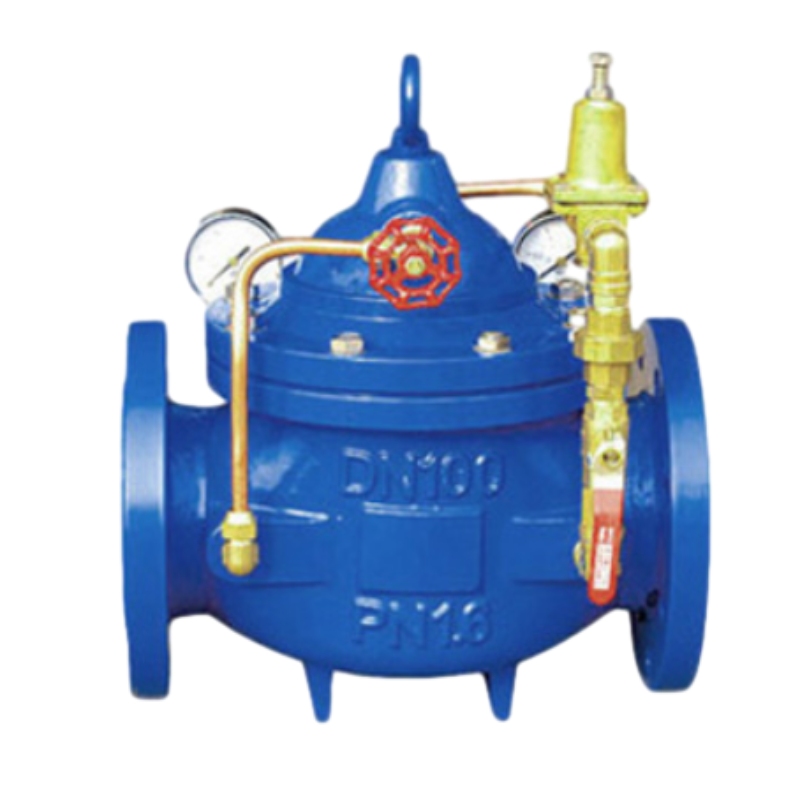
Valve de 3 pouces
La Vanne à Papillon de 3 Pouces Un Élément Clé dans la Gestion des Fluides Dans l'univers de la plo
Welded Globe Valve Applications and Benefits in Industrial Systems
Understanding Welded Globe Valves Functionality and Applications Welded globe valves are critical co
 English